
For over a century, cannabis sat in the shadows of American society, relegated to illicit markets and punchlines. But as we head into late 2025, the “Green Rush” has transformed from a rebellious movement into a multi-billion-dollar pillar of the U.S. economy.
From tax debates in the heartland to high-tech greenhouses in the West, here is the state of cannabis in the USA today.
A Map Divided: Where We Stand
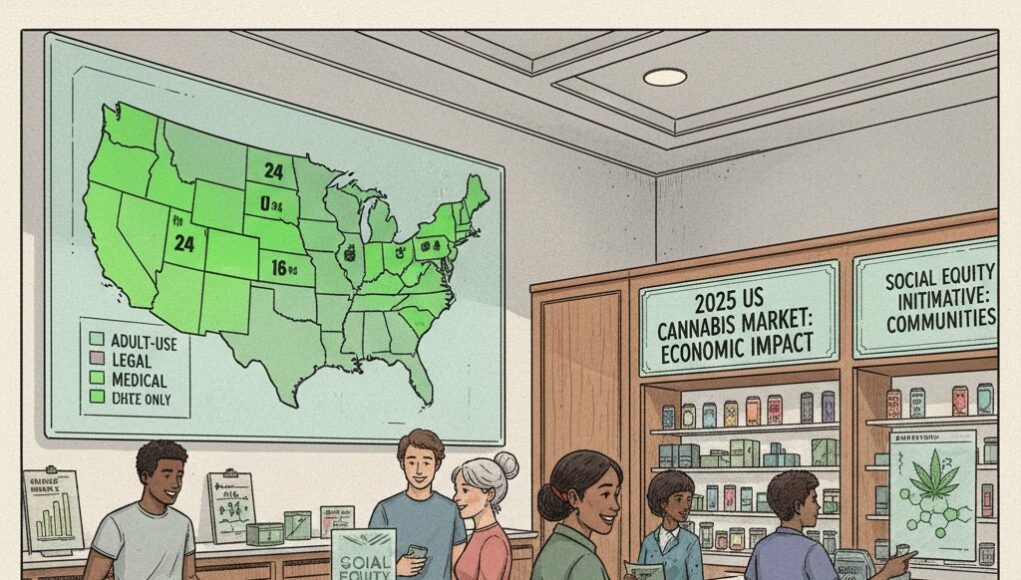
The legal landscape in 2025 is a patchwork of “Fully Legal,” “Medical Only,” and a few remaining “Strictly Prohibited” zones. As of late 2025:
-
24 States + D.C. have fully legalized recreational (adult-use) cannabis.
-
40 States have comprehensive medical marijuana programs.
-
74% of Americans now live in a state where some form of cannabis is legal.
While states like California and Colorado were the pioneers, the focus has shifted to “The Rust Belt” and the East Coast. Michigan has emerged as a powerhouse, rivaling California in monthly sales, while New York’s market is finally maturing, with over 600 licensed retailers expected by the end of the year.
By the Numbers: The Economy of Bud
The financial impact of the industry is no longer “small pot.” In 2025, the total economic impact of regulated marijuana sales in the U.S. is projected to top $123 billion.
| Statistic | 2025 Projection |
| Direct Sales (Medical & Adult-Use) | ~$35.3 Billion |
| Total Economic Impact | ~$123.6 Billion |
| Full-Time Jobs Supported | Over 440,000 |
| Annual State Tax Revenue | Over $20 Billion |
In several states, cannabis tax revenue has officially outpaced revenue from alcohol, providing crucial funding for schools, roads, and community reinvestment programs.
Modern Trends: It’s Not Just “Flower” Anymore
While smoking traditional “flower” remains the most popular method (about 45% of the market), 2025 has seen a surge in sophisticated consumption:
-
The Rise of the Beverage: Cannabis-infused drinks are the fastest-growing segment. From THC-infused social seltzers to “mocktail” replacements, beverages are bridging the gap between dispensaries and traditional social life.
-
The “Exercise High”: A surprising 14% of consumers now report using cannabis as part of their fitness routine—citing improved focus during workouts and better muscle recovery afterward.
-
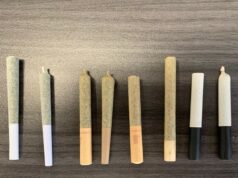
Pre-Roll Dominance: For the busy consumer, infused pre-rolls (joints rolled with concentrated oil or kief) have become a top-selling convenience item.
The Social Equity Frontier
One of the most significant shifts in 2025 is the push for Social Equity. New York, New Jersey, and Illinois have implemented programs that prioritize licenses for “Social and Economic Equity” (SEE) applicants. These are individuals from communities disproportionately harmed by the “War on Drugs.“
Programs often include:
-
Grant Funding: Direct financial help to get businesses off the ground.
-
Tax Reinvestment: 40% of adult-use tax revenue in states like NY is mandated to go back into rebuilding those specific communities.
-
Automatic Expungement: Clearing past low-level marijuana convictions to remove barriers to employment and housing.
What’s Next: The Federal Question
As we look toward 2026, the industry is holding its breath for federal action. While “Schedule III” reclassification is under heavy debate, the biggest hurdle remains banking. Because cannabis is still federally illegal, many businesses are forced to operate in cash, making them targets for crime.
Whether the federal government finally “plays ball” or continues to let states lead the way, one thing is certain: cannabis has officially moved from the counter-culture into the main street.