
Comparing Autoflower and Feminized Cannabis Seeds for Indoor Growing
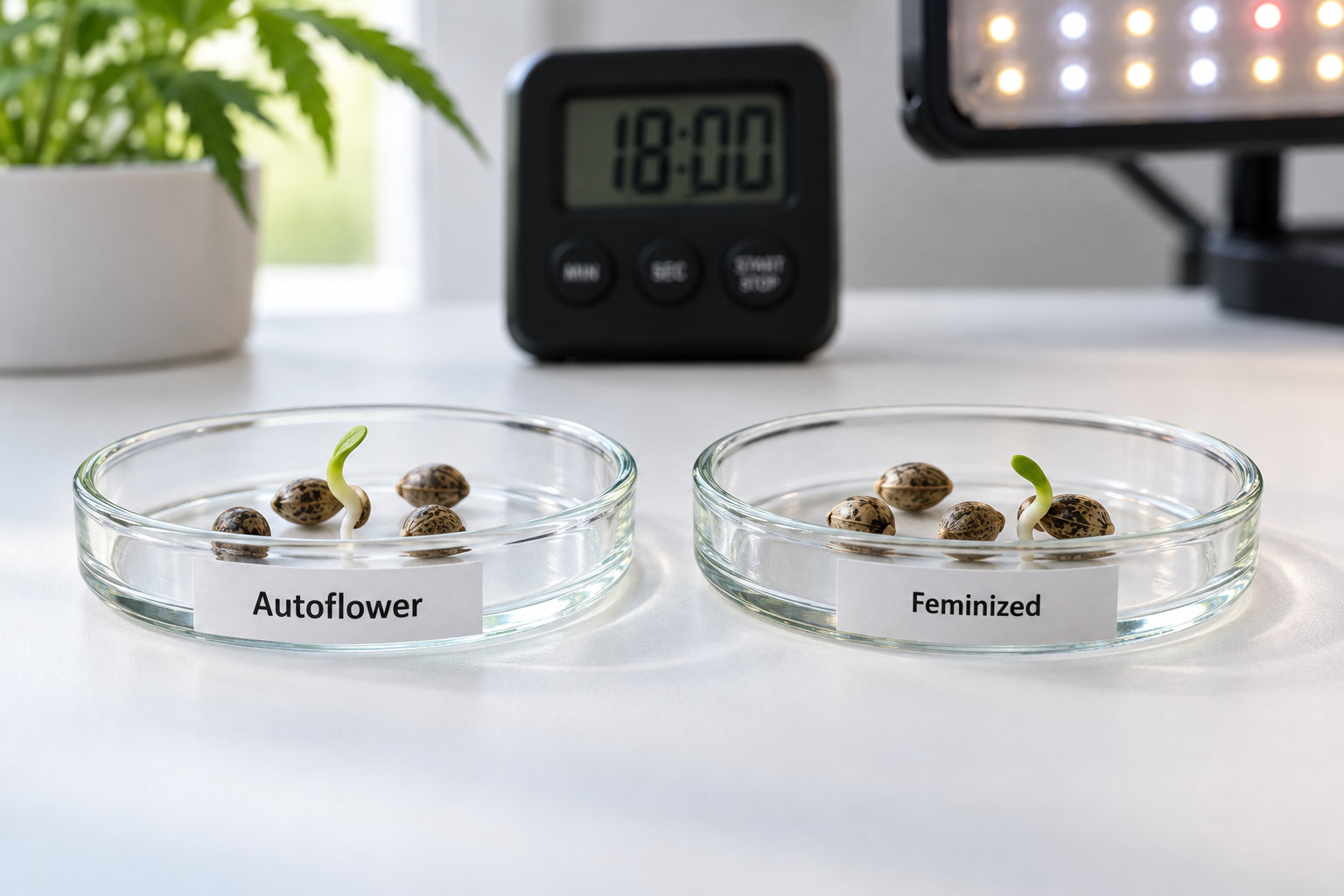
Choosing the right seed type is a fundamental step when planning any indoor cannabis grow. Autoflower and feminized cannabis seeds each offer unique advantages, and your decision will impact your space, workflow, and how much experience you need to get consistent results. Understanding these differences helps you avoid common pitfalls that can set a grow back, especially with so many options available in the marijuana seeds market.
Key definitions and genetic basics
An autoflower seed develops into a plant that begins flowering based on age rather than changes in the light schedule. Typically, autoflower genetics trace back to Cannabis ruderalis, a subspecies suited to short summers. In contrast, feminized seeds are bred to produce female plants almost exclusively, reducing the risk of accidental pollination. Female plants are valued indoors because they develop the resin-rich buds most growers seek, making feminized seeds the preferred choice for those wanting to maximize usable yield without the effort of removing male plants.
Indoor grow setup implications
Autoflower plants do not depend on darkness to flower, so you can keep your lights running up to 18 to 24 hours a day from start to finish. This flexibility can simplify light schedules. Feminized seeds, on the other hand, still need a clear switch from vegetative growth (typically 18 hours of light) to flowering (12 hours of light), which requires a timer reset during your cycle. Height and training need consideration as well. Autoflowers remain compact, which suits tents with limited height, but their short vegetative time means there is less margin for plant shaping or corrective pruning. Plants from feminized seeds allow more vigorous training and topping but may stretch considerably when flowering begins.
Timeline, yield, and predictability
Autoflower strains tend to finish quickly, with many reaching harvest in as little as 8 to 10 weeks from germination. This can enable multiple fast cycles per year. However, their compact size may limit your potential yield per plant compared to feminized options. Feminized seeds typically take longer, allowing you to extend the vegetative stage for larger plants and potentially bigger harvests, but at the cost of longer turnaround. Predictability tends to be slightly better with feminized seeds, as you can control plant size with training before switching to flower. Autoflowers, with their fixed timeline, offer less opportunity for adjustment mid-grow.
Difficulty, stress, and suitability
Autoflower plants are resilient, but can be sensitive to stress. Transplanting late or aggressive pruning may severely impact their limited lifespan. As a result, many new indoor growers find them appealing for simplicity, as long as careful handling is observed. Feminized plants allow more flexibility, pruning, training, and recovery from setbacks, but require greater planning around light schedules and more hands-on attention throughout the cycle.
When each option fits your goals
Autoflower seeds are often favored when quick turnover, space efficiency, and minimal intervention are top priorities. They make sense for small tents, micro-grows, or anyone aiming to test new genetics frequently. Feminized seeds are generally preferred when you want more control over plant size, shape, and final yield, or when you have the time and skill to benefit from extended vegetative growth and hands-on training. Avoid common mix-ups such as using a photoperiod light schedule on autoflowers or overtraining them, as these mistakes can undermine their natural advantages. For feminized plants, unexpectedly high stretch or failing to adjust the light cycle at the right moment can also impact results.