

The Best Live Rosin and THC Vape Brands to Know in 2026
A dispensary vape menu can put live rosin, live resin, cartridges, and all-in-one devices on the same screen. Those labels do different jobs: some describe the extract, while others describe the hardware. For anyone comparing THC vapes in 2026, sorting out that distinction is more useful than treating every pen as interchangeable. This list focuses on brands represented in licensed cannabis dispensary menus, with examples from California and clear distinctions between extracts, concentrates, and vape formats. Menus are snapshots, not promises that a product will be available when you visit, and a brand’s presence in one state does not establish availability in another.
1. Heavy Hitters: Solventless Live Rosin and Resin AIOs
Heavy Hitters takes the first spot on this list, with cannabis vapes and cartridges among the product categories shown on its website. Its lineup distinguishes a 1-gram Solventless Live Rosin All-in-One from a 1-gram Slow Cured Resin All-in-One, alongside an Ultra Twin Turbo All-in-One. Those product names make the difference between extract type and device format concrete: “live rosin” and “slow cured resin” describe product lines, while “all-in-one” identifies an integrated device. The company’s site also says the brand was founded in the San Fernando Valley in 1996 and is family-run. Readers can review those product categories on the Heavy Hitters website.
That makes the brand a useful first comparison for readers looking at how one company presents distinct extract lines in AIO form. The distinction matters when a retailer groups products under a single brand heading. A menu search may surface different lines and formats together, but a product title should not be read as evidence that every item contains the same extract. Check the exact listing and package name, and do not assume an AIO is a 510-thread cartridge or that a product labeled resin is the same as live rosin. The individual dispensary listing identifies the item available at that location.
2. 710 Labs: Rosin Concentrates and Vape Formats
710 Labs is relevant to readers exploring both rosin and vape menus, but the product categories need to stay distinct. Licensed dispensary menus in California show rosin concentrate listings such as Persy Rosin or live-rosin badder. These examples are not interchangeable with vape devices: badder is a concentrate listing and should not be treated as a cartridge or all-in-one. Separate retailer menus in other licensed markets may list 710 Labs vape products, but a product found in one state should not be assumed to be stocked in another.
When searching for the brand, open the specific item rather than relying on a brand-level result. Confirm that the listing explicitly identifies a vape device if that is what you want; if it names a standalone concentrate, compare it with other concentrates instead. This simple check avoids treating every rosin product as a portable vape and makes the menu more useful to shoppers comparing hardware as well as extract. Product names and categories can differ by retailer, so the listing for the location you plan to visit is the relevant reference.
3. Jetty Extracts: Live-Rosin Cartridges and Solventless AIOs
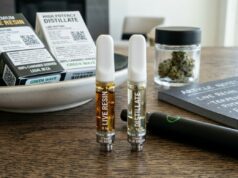
Jetty Extracts gives shoppers another way to compare solventless product formats. Licensed California dispensary menus have listed Jetty live-rosin cartridges and a solventless all-in-one product. Those menu examples show why “live rosin vape” is not a complete description for a purchase decision: a cartridge and an integrated device handle the hardware differently, even when both are described as solventless. A cartridge is a separate component that must be paired with compatible hardware; an all-in-one combines the extract and device.
Availability can vary by retailer and change over time, so treat a menu entry as a product example rather than a guarantee of local stock. Check the exact item title and format on the current menu. A brand name plus “rosin” does not by itself establish that a product is a vape; the listing may refer to a standalone concentrate. Reading the full category keeps a concentrate from being mistaken for a cartridge and helps make comparisons more precise.
4. Raw Garden: Live Resin Vapes and Extracts
Raw Garden rounds out the list for readers browsing beyond rosin. Licensed California dispensary menus have listed the brand’s live-resin and sauce products alongside cartridge and all-in-one formats. This makes Raw Garden a useful comparison for shoppers looking at resin-based products, but live resin should not be treated as a synonym for live rosin. The labels refer to different extraction approaches, and the specific item—not the brand name alone—determines whether a listing is a vape or a standalone concentrate.
Retail menus can put several product types together in a brand search. “Sauce” may appear on a concentrate listing, while “cartridge” and “all-in-one” identify device formats. Open the full product entry and compare its name with the package label instead of making a choice from a thumbnail or a brand filter. That approach keeps a live-resin cartridge comparison separate from a rosin comparison and avoids assuming every product in a brand’s catalog fits the same category.
How to Compare a Live Rosin or THC Vape Listing
Start with the full item name, then separate the extract from the hardware. Live rosin is a solventless extract; live resin is made using solvents. “Slow Cured Resin” is a separate product designation and should not be silently substituted for either term. Once the extract is clear, identify the device format: a 510-thread cartridge requires compatible hardware, while an all-in-one includes its own device. Pods are another format and may require a specific pod system. The hardware label alone does not identify the extract inside.
- Read the extract label: Check whether the item says live rosin, live resin, slow cured resin, or another specific designation.
- Identify the format: Look for a 510 cartridge, all-in-one, pod, or standalone concentrate.
- Match the exact item: Compare the product name and net weight on the menu with the package labeling.
These checks are especially useful when a retailer places several product lines under one brand result. A product family may include both concentrates and vapes, and a vape family may use more than one type of extract. The listing for the specific item, followed by its package label, gives a more reliable basis for comparison than a broad brand search.
Checking a Licensed Dispensary Menu Before You Buy
Licensed dispensary menus differ from store to store and can change over time. A brand appearing at one location does not establish that a specific strain, extract, or device will be stocked throughout California—or in another state. Before visiting, check the current menu of a licensed retailer in the relevant market and open the listing for the exact product rather than stopping at a brand page. The examples in this list illustrate product categories found in particular licensed-market menus, not a promise of current inventory.
At the store, compare the listing with the product label. The name, extract designation, net weight, and hardware format should describe the item being offered. This final check matters when similarly named cartridges, AIOs, and concentrates appear close together in search results. It turns a general search for a vape brand into a concrete comparison of the products on a local shelf—and keeps a rosin concentrate, a resin vape, and a solventless AIO in their proper categories.